


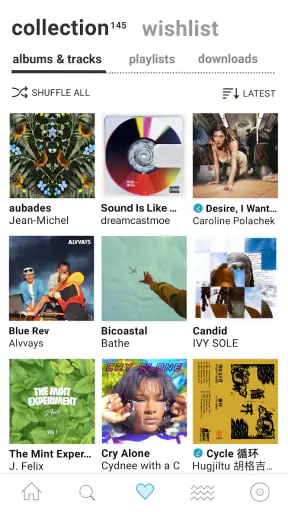
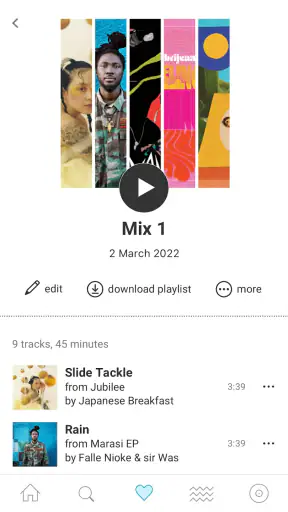
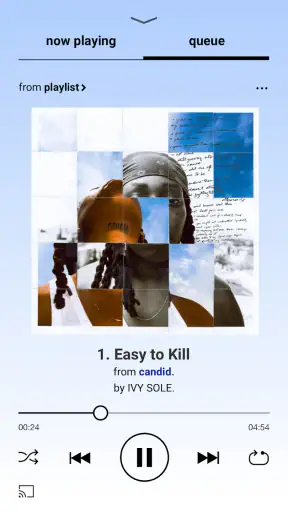
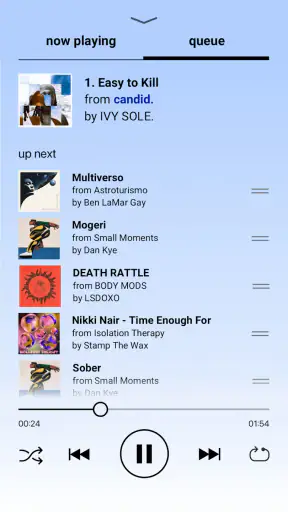
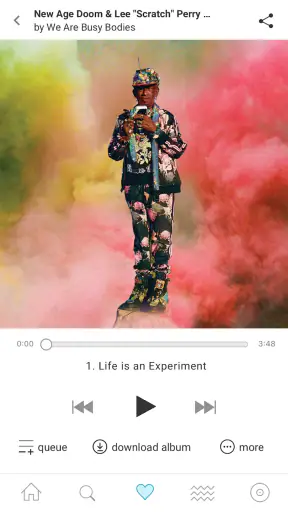
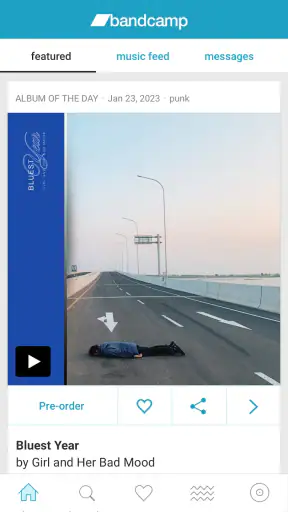
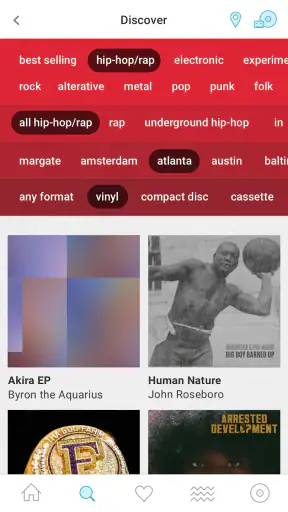

I came away from Bandcamp feeling that it is less like another background music player and more like a place to make deliberate listening choices. The app is free, sits in the Music & Audio category, and is built by Bandcamp, but its real appeal is the relationship between discovering music and supporting the people who made it. That changes how I use it: I open it when I want to look for something distinctive, not simply when I need an endless queue.
That distinction matters because the best music app for you depends on what you value. If you want familiar songs to start playing instantly, a mainstream streaming service may feel easier. If you enjoy finding independent releases, following your curiosity, and treating an album as something worth exploring, this app has a much stronger case. My recommendation is therefore not based on convenience alone. It comes down to whether you want a music catalog to behave like a utility or like a discovery space.
How I would decide whether Bandcamp fits
My first test is simple: what do I want to do during the next ten minutes? When I want a predictable playlist while cooking or commuting, I usually prefer an app designed around fast playback and automated recommendations. When I have a little more attention to give, Bandcamp becomes more interesting because I can browse artists and releases rather than passively accept whatever an algorithm places in front of me.
The second question is whether supporting artists directly matters to me. The store summary, “Buy music, support artists,” captures the central idea without explaining the day-to-day experience. I see the app as a useful middle ground between listening casually and collecting music intentionally. It lets me investigate an artist, hear the work, and decide whether I want to go further instead of treating every track as interchangeable content.
The third criterion is tolerance for a less automatic experience. Bandcamp rewards curiosity, but it may ask me to make more choices. I browse, compare releases, return to artists, and decide what deserves my attention. That is satisfying for someone who likes music discovery, but it can feel slower for anyone who expects one tap to produce an endlessly personalized station.
There is also the question of device compatibility. The app supports Android devices starting with version 7.0, which makes it accessible on many older phones. Its current version is 3.3.6, so I would still check that an older device behaves comfortably before making it my main music app. Compatibility gets an app installed; a smooth listening routine depends on how well it fits the phone and habits I already have.
What the first session feels like
I would not judge Bandcamp after opening it for thirty seconds. Its value becomes clearer when I use it with a specific goal, such as finding a new electronic artist, exploring an unfamiliar genre, or looking for a complete album rather than a single popular track. Starting with a name, style, or recommendation from a friend gives the app a direction and makes browsing feel purposeful.
One useful habit is to treat each interesting release as a small research trail. I listen to enough to decide whether the artist deserves another visit, then keep track of the releases that genuinely stand out. This avoids a common problem with discovery apps: saving a huge number of items and remembering none of them. Bandcamp works better for me when I use it to narrow my taste, not merely expand an overflowing list.
The app is free to install, and the store audience is rated Teen. That makes it easy to try without turning the first decision into a purchase. Still, the experience is connected to music buying and artist support, so I approach it as a place where listening can lead to a more intentional transaction rather than assuming every part of the catalog should behave like an all-you-can-stream subscription.
Where it wins for curious listeners
The strongest advantage is the feeling of closeness to the music. On a conventional streaming service, I often move through songs quickly because the interface encourages continuous playback. Here, I am more likely to pause and ask why a release caught my attention. That small change makes the app valuable for people who want to build a personal relationship with new artists instead of chasing only the most visible tracks.
It is particularly good for the listener who enjoys albums, scenes, and unusual releases. If a friend sends me an artist recommendation, I can use the app as a focused place to investigate rather than searching across several services and hoping the correct release appears. That is a practical advantage when the music I want is outside the center of mainstream attention.
Another strength is the connection between discovery and support. I do not have to separate “finding something I like” from “deciding whether it is worth supporting.” The app makes that decision part of the same journey. For me, that creates a more satisfying sense of ownership and participation than simply adding another track to a temporary queue.
There is a subtle benefit for people with strong personal taste: the app encourages active filtering. Instead of allowing recommendations to define the boundaries of my listening, I can follow my own path through artists and releases. That makes it useful for building a small, meaningful collection of discoveries. The trade-off is that I need to bring some intention; the app is not at its best when I expect it to do all the thinking.
An everyday use case that shows the difference
Imagine that I am planning a quiet evening and want music that feels less familiar than my regular playlists. I might begin with an artist a friend mentioned, listen to a release, and then move through related discoveries. Rather than rushing to create a long queue, I focus on finding one or two records that suit the mood. If one feels special, the app gives me a natural route toward supporting that artist.
That workflow is different from opening a general streaming app and pressing a mood station. The latter is better when I am busy and do not want to make decisions. Bandcamp is better when the act of looking is part of the evening. I can imagine using it on a weekend afternoon, with headphones on, while exploring a genre I have neglected. It turns listening into an activity instead of filling silence automatically.
Where the experience can feel less convenient
The same deliberate character that makes Bandcamp appealing can also create friction. I would not choose it as my only music app if my main requirement were effortless, continuous playback across every familiar favorite. People who want a large, predictable rotation may find a subscription-based streaming service more comfortable, especially when they do not want to think about individual releases or artist decisions.
It may also be a poor match for a listener who rarely explores beyond established hits. The app’s best moments come from curiosity, and someone who wants only a tightly controlled selection may spend more time browsing than listening. In that situation, the usual alternative is not necessarily better in artistic terms; it is simply better aligned with a low-effort routine.
I also think the app asks for clearer expectations around buying and supporting music. A free installation does not mean that every listening goal is identical to using a paid streaming catalog. I would use it knowing that its purpose is connected to artists and releases, not just frictionless access to a universal jukebox. That is not a flaw, but it is an important difference to understand before replacing another service.
Comparing it with the usual alternatives
Against mainstream streaming platforms, Bandcamp wins on intention and artist-focused discovery. Those services usually win when I need speed, familiar catalog access, automated playlists, and a single place for everyday listening. I would keep a conventional service as my default if my day depends on instant background music, then use Bandcamp when I want to search more deeply and support the artists I discover.
Against social music platforms, Bandcamp feels less centered on rapid sharing and more centered on the release itself. Social apps can be excellent for catching a short recommendation or following what is currently circulating. Bandcamp is more useful when I want to slow down, investigate an artist, and decide whether the music deserves a lasting place in my listening life.
Against digital stores that focus mainly on purchasing, Bandcamp has a more discovery-oriented personality. I am not simply searching for a known album and leaving. The app encourages me to encounter artists and releases along the way. That makes it a better fit for exploratory listeners, while a straightforward store may be preferable when I already know exactly what I want.
I would not describe these alternatives as direct replacements in every situation. The real choice is between different listening priorities. Bandcamp is strongest when discovery, artist support, and personal selection matter more than an entirely automated routine. A different app is better when convenience, broad everyday playback, or algorithmic variety matters more.
Three practical habits that improve the experience
First, I recommend entering with a narrow mission. “Find something good” is too vague and can lead to aimless browsing. A more useful goal is “find one release for a late-night walk” or “explore an artist from this genre.” The narrower purpose makes the app’s catalog feel manageable and helps me remember what I actually enjoyed.
Second, I would avoid treating every interesting discovery as an immediate commitment. A preview can be exciting without meaning that the entire release belongs in my collection. I listen with attention, return later if the impression lasts, and then decide whether supporting the artist feels worthwhile. This creates a better buying habit than reacting to every attractive cover or recommendation.
Third, I use the app as a companion to, rather than an automatic replacement for, my everyday player. Bandcamp handles focused discovery beautifully for me, while another service may remain more convenient for familiar routines. Keeping those roles separate reduces frustration and lets each type of app do what it is designed to do.
A fourth insight is to judge the app by the quality of discoveries, not by how quickly it fills silence. That sounds obvious, but it changes the way I measure success. If I finish a session with one artist I genuinely want to revisit, the time was worthwhile even if I did not build a massive playlist. This is a slower but more memorable form of music discovery.
The cost of changing your routine
Trying Bandcamp is easy because the app itself is free, but switching habits takes more effort than installing it. If I currently rely on automatic playlists, I need to accept that I will be making more choices. If I have built a large listening routine elsewhere, I should not expect this app to reproduce that routine in exactly the same way. Its value comes from changing the relationship I have with discovery, not from copying every convenience of another platform.
The easiest transition is to give it one defined role. I might use it for finding independent artists, researching a recommendation, or choosing music for focused listening. That approach lets me learn whether its artist-centered model suits me without abandoning the app I already use for ordinary background playback.
There is also a mental cost to moving from passive listening to active exploration. I need to be willing to stop, listen, compare, and remember. For the right person, that is the reward. For someone who wants music to disappear into the background, it may feel like unnecessary work. Knowing which type of listener I am is more important than chasing a supposedly universal best app.
Who should install it
I would recommend Bandcamp to listeners who enjoy finding artists before they become familiar, who care about supporting musicians, or who want a more personal alternative to algorithm-led discovery. It is also a good choice for anyone who views an album as a complete creative object and likes spending time with releases rather than jumping between isolated tracks.
I would be more cautious if your priority is a single, effortless home for every song you already know. In that case, a mainstream streaming option may fit your everyday needs better. I would also skip making Bandcamp your only choice if you dislike browsing, rarely investigate new artists, or want music selected for you with almost no interaction.
The audience size gives some context: the Android app has passed one million installs, with an average rating of 3.2 from around thirty-one thousand ratings and roughly four thousand four hundred written reviews. I read that as a sign of a useful but not universally frictionless product. Its purpose is distinctive, and distinctive tools often appeal strongly to one group while feeling less convenient to another.
My recommendation after using it
Bandcamp earns a place on my phone because it makes discovery feel more human and more intentional. I like that opening it can lead me toward an artist rather than just another disposable queue. The connection between listening and support gives the app a clear identity, and that identity is more meaningful to me than a long list of generic playback conveniences.
I would not replace every music service with it. For automatic background listening, familiar rotations, and low-effort playback, the usual alternatives can be the smarter choice. But if you want to explore beyond the obvious, investigate releases properly, and let your listening choices support artists, I think this free app is worth trying.
My clearest advice is to test it with a real discovery goal instead of judging it as a standard streaming replacement. Give it one artist, genre, or evening of focused listening. If you enjoy the process as much as the music you find, Bandcamp is a strong companion for intentional listening. If you only want instant, automated access to familiar songs, choose the more convenient category of app and leave this one for the moments when curiosity takes the lead.


